
The bright future of electric cars in 2027 could be very important. New batteries, range, affordable models, and a big fight between manufacturers.
The bright future of electric cars: Why could 2027 be the biggest year for EVs yet?
The automotive industry is going through one of the biggest changes in its history. For decades, gasoline and diesel engines have been the symbol of automotive development, but in the last few years, electric vehicles have been slowly changing the way we think about cars. What once seemed like the technology of the future is now a reality.
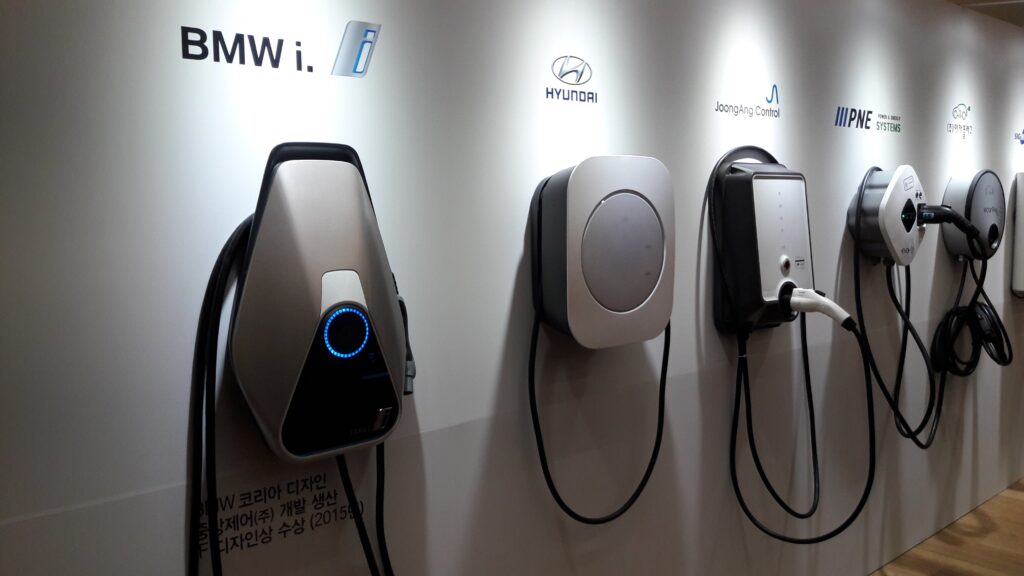
Electric cars are no longer just for enthusiasts or luxury buyers. More and more manufacturers are investing huge resources in the development of EV models that should be available to a wider audience. Many experts believe that the year 2027 could be one of the most important years in the development of electric cars, because then several big changes could converge into one point – more advanced batteries, a greater choice of models, a drop in prices, and even stronger competition among manufacturers.
The bright future of electric cars: Electric cars are entering a new phase of development
The first generation of modern electric cars was mainly focused on proving that it is possible to build a vehicle without a classic internal combustion engine. Companies like Tesla have shown the world that electric cars can be fast, technologically advanced, and desirable. Models like the Tesla Model S, Model 3, and Model Y changed public perception and showed that an electric car doesn’t have to be slow or impractical.
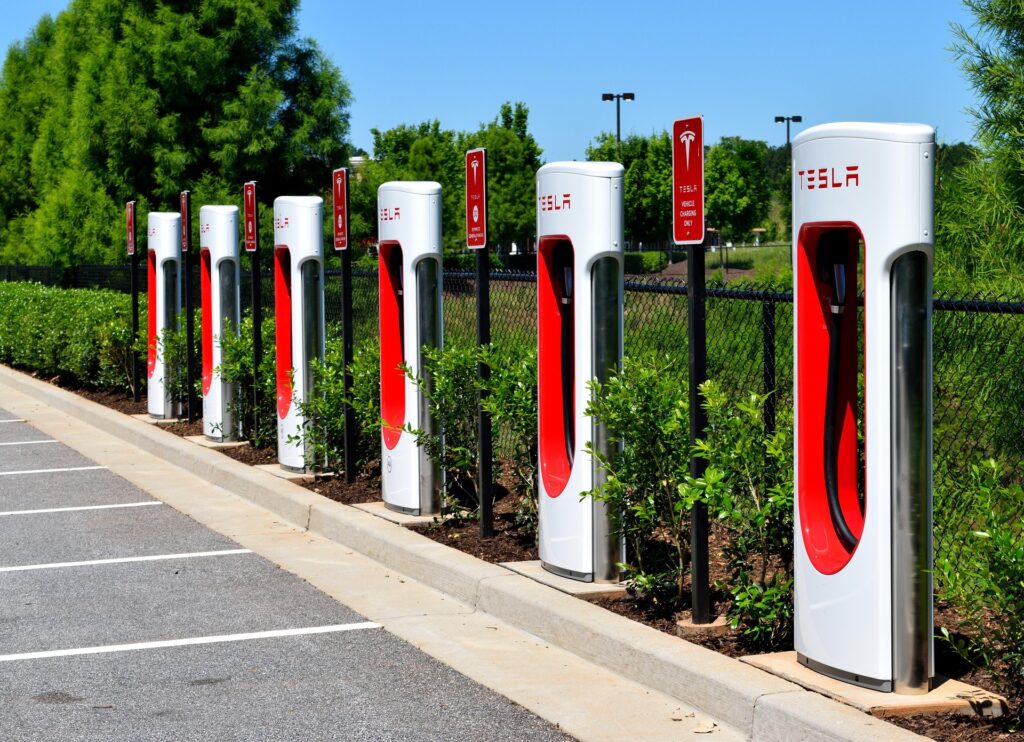
However, the next phase of development will not only be about performance. The main questions for buyers will be simpler:
-How much does an electric car cost?
-How long does the battery last?
-How fast does it charge?
-Is it practical for everyday life?
Because of this, 2027 may be the moment when electric vehicles move from early adoption to mass use.
The bright future of electric cars: Batteries are the key to the future of electric cars
The biggest challenge of electric vehicles from the beginning has been the battery. Although today’s electric cars are already very capable, many buyers still have some concerns about range, charging time, and long-term battery reliability. That’s why car manufacturers and technology companies are investing billions in developing a new generation of batteries.
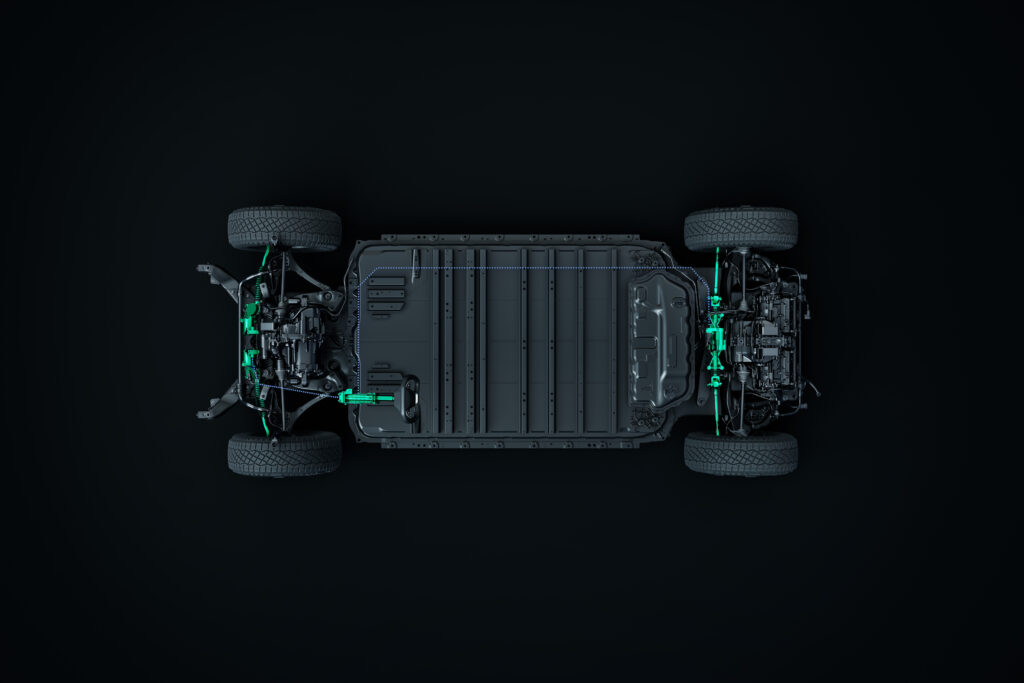
The future will be about not only cars traveling longer distances but also about fitting charging into drivers’ everyday lives. The idea is to make an electric car as easy to use as today’s petrol-engine car. If new battery technologies live up to expectations, one of the biggest reasons people are still hesitant to buy an EV could slowly disappear.
The bright future of electric cars: The great fight of manufacturers is just beginning
For years, Tesla was considered the main symbol of the electric revolution. Elon Musk’s company changed the market and forced traditional manufacturers to accelerate the development of their electric models. But the automotive world looks completely different today.
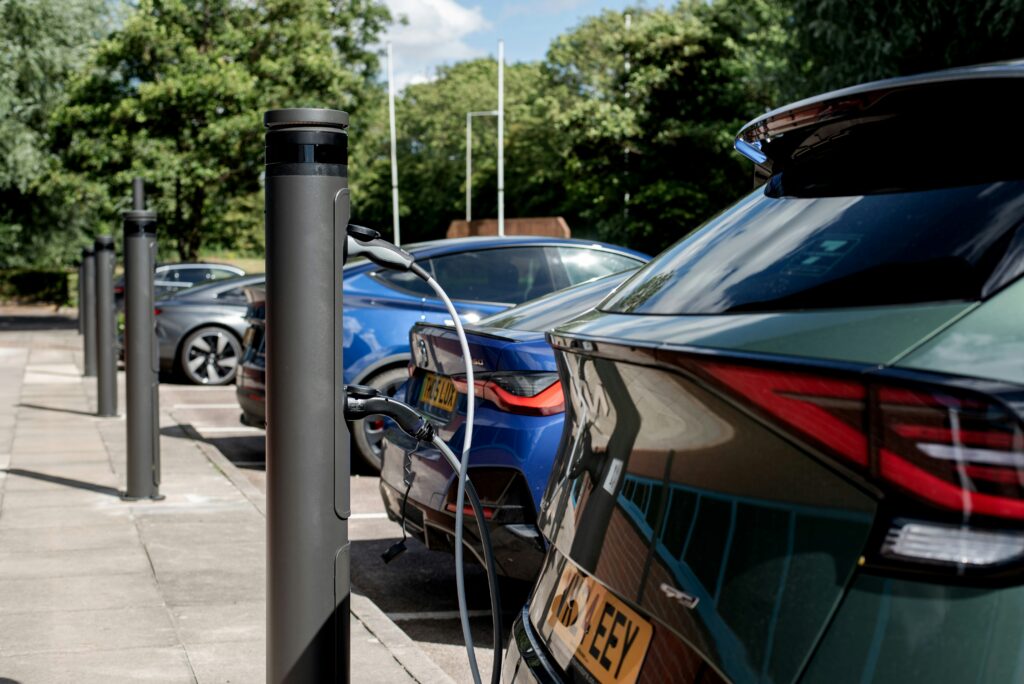
Big companies like Volkswagen, BMW, Mercedes, Toyota, Hyundai, and others no longer see electric cars as an experiment. They have become a central part of their plans. Volkswagen is developing new electric platforms that should enable the production of many models.
BMW is preparing a new generation of electric vehicles with a completely different approach to design and technology. Toyota, which has long been known for hybrids, is also accelerating the development of electric cars. By 2027, buyers could have much more choice than today, from small city cars to luxury SUVs.
The bright future of electric cars: Chinese manufacturers are changing the rules of the game
One of the biggest changes in the global car market is coming from China. Companies like BYD have shown that Chinese manufacturers are no longer just competition in the segment of cheap cars. They are now developing modern electric cars with advanced technology and seriously competing with European and American brands.
A big advantage of Chinese companies is that they have strong control over battery production and the supply chain. This allows them to develop new models faster and often offer more technology for a lower price. In the coming years, the competition between Chinese, European, Japanese, and American manufacturers will be one of the most interesting parts of the automotive industry.
The bright future of electric cars: Electric cars are becoming more than a means of transportation
One of the biggest changes brought about by electric vehicles is the way the car is developed. The traditional car was mostly upgraded through the engine, transmission, and mechanical components. With electric vehicles, a large part of the development is moving to software. The cars of the future will be increasingly connected to the Internet, smartphones, and artificial intelligence.
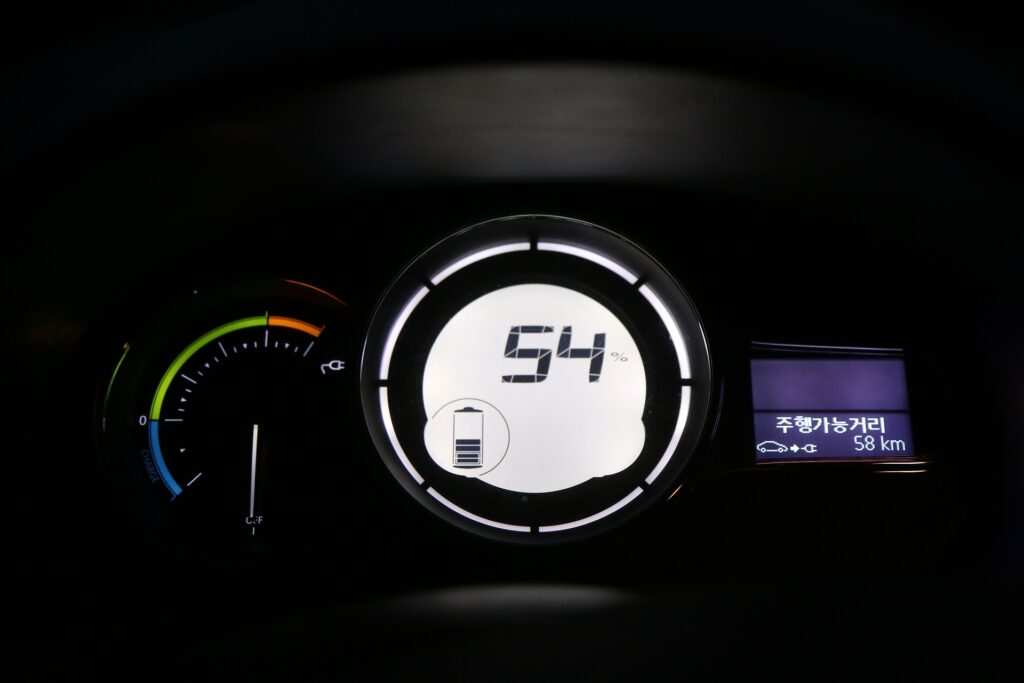
Drivers can expect smarter driving assistants, better safety systems, automatic software improvements, more advanced navigation systems, and a more personalised driving experience. In other words, a car will no longer be just a machine that you buy and use for years. It will become a constantly evolving device.
The bright future of electric cars: Why could 2027 be a turning point year?
There are several reasons why many see 2027 as an important year for electric cars. First, manufacturers will have a much wider range than today. Buyers will not be choosing between just a few electric models but between a large number of different vehicles. Second, battery technology should be more mature and efficient. Third, the market will be much more competitive, which could lead to better prices and more pressure on manufacturers to offer better quality cars.

Most importantly, customers will have fewer trade-offs. The electric car will no longer be the choice just for ecology but for practicality, technology, and the overall experience.
The bright future of electric cars: Will electric cars completely replace gasoline engines?
Although electric vehicles are advancing rapidly, it is unlikely that they will completely replace cars with conventional engines by 2027. The change will be gradual. In some parts of the world, electric vehicles will quickly become dominant, while in other regions, hybrids and vehicles with gasoline engines will play an important role for a long time to come.
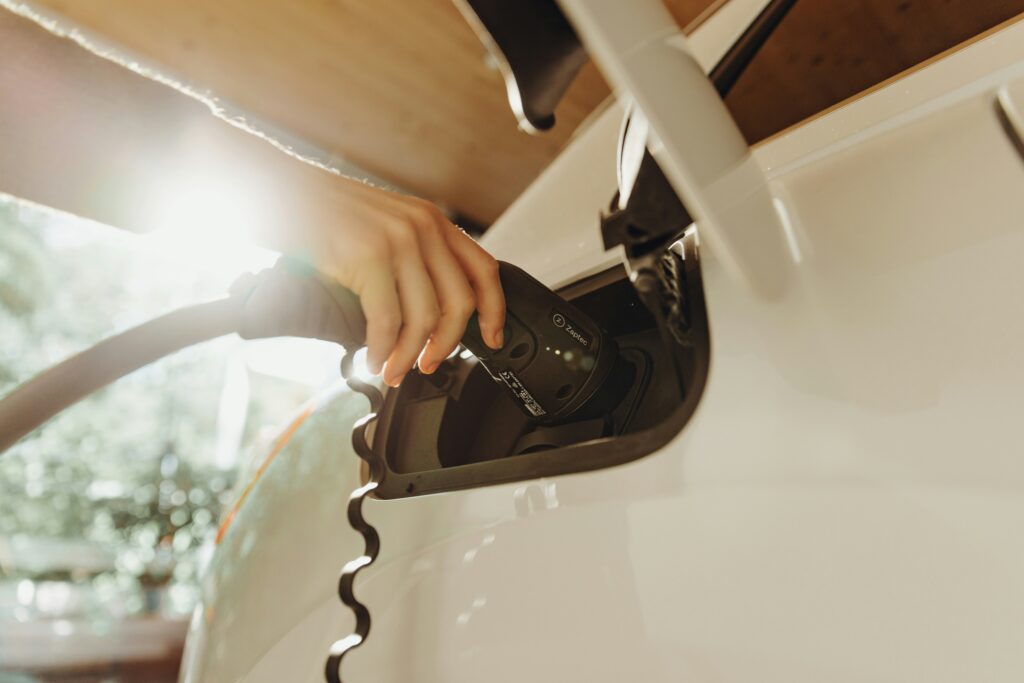
Different drivers have different needs. Someone drives around the city every day, and an electric car suits them perfectly, while someone else covers long distances and still prefers a traditional drive. The future of cars will probably not be just one technology but a combination of different solutions.
The bright future of electric cars: What can we expect from electric cars after 2027?
After 2027, the development of electric vehicles could become even faster. Cars will become more efficient, smarter, more affordable, easier to maintain, and better connected to the rest of the digital world. The biggest change may not just be that cars use electricity but that it will completely change the way we drive and use cars.
Conclusion: The electric revolution is just beginning
The year 2027 could represent an important turning point for the automotive industry. After years of development and testing, electric cars are entering a period where they could become the right choice for a large number of drivers around the world. The future will not belong to just one manufacturer or one technology.
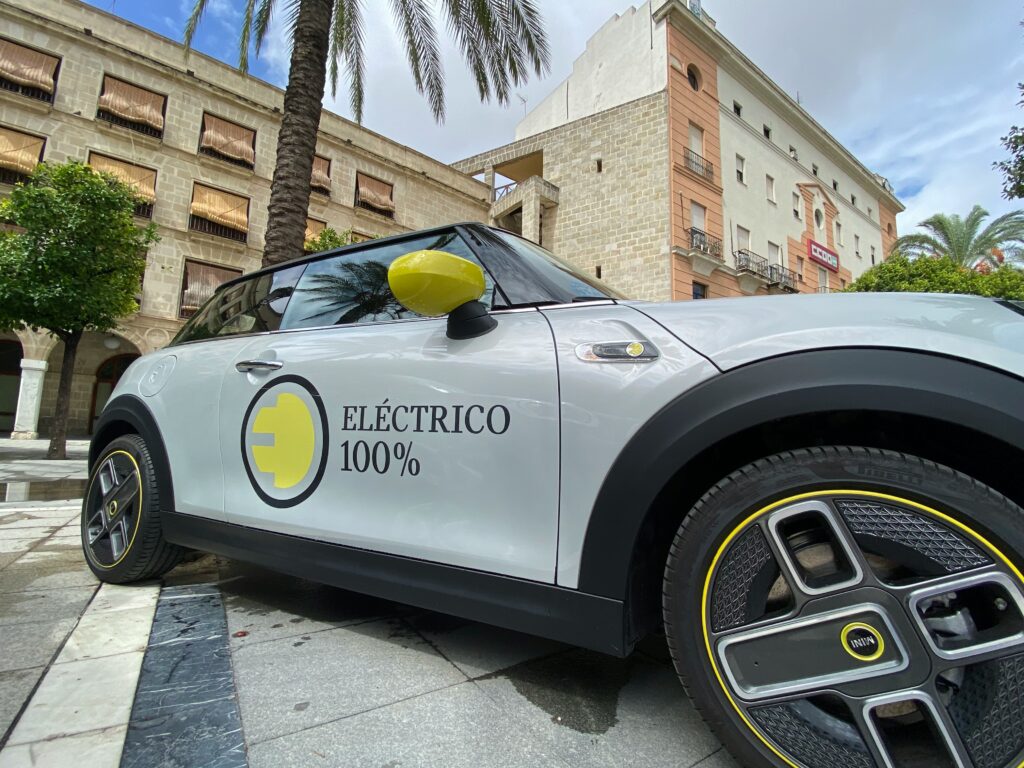
Companies that manage to combine affordability, reliability, quality and innovation will win. The electric car of the future will not just be a vehicle that uses a battery instead of fuel. It will be a smart, connected and completely new way of travelling. The year 2027 may not be the end of the automotive revolution, but it could be when it really begins.